我在 少数派 会员社区话题精选 Ep. 54 看到了关于这篇文章的介绍,少数派的介绍里面也提到了 Hacker News 对它的批判。我粗略过了一遍这篇文章,发现比我想象中的长很多。PG 的文章是值得精读的,我之前认真读过他的How to Disagree还制作了 MindMap。这次他的一些观点让我想到了之前看过的其它观点,我觉得还是有必要借助翻译来重新精读一遍。翻译的过程很困难,借助 AI 确实能更准确地领会作者原意,但是 AI 的翻译我觉得未必有我自己的翻译好。
There are two senses in which an essay can be timeless: to be about a matter of permanent importance, and always to have the same effect on readers. With art these two senses blend together. Art that looked beautiful to the ancient Greeks still looks beautiful to us. But with essays the two senses diverge, because essays teach, and you can’t teach people something they already know. Natural selection is certainly a matter of permanent importance, but an essay explaining it couldn’t have the same effect on us that it would have had on Darwin’s contemporaries, precisely because his ideas were so successful that everyone already knows about them.
「可是我记得在 《how to read a book》里面,作者提到,伟大的书是你再读依然会有收获的书;真正伟大的书,你不论何时去读,都会有所收获,因为写下它的人,远远超过了你。而一般的书,可能它的一部分会对你有所帮助,但是读过一遍之后,再读就没有更多意义了。
按照 Paul 的说法,伟大的书再读就会没那么伟大了,因为它不能教你你已经会的东西。
我在想《论语》这类,毫无疑问被《how to read a book》归类到「伟大」类别的,就属于常读常新的那种;但根据 Paul 的意思,这种「常读常新」难道竟然是因为书本身书写的内容是模糊的吗?」
当时我第一遍读完,有了这个疑问,而上面这个问题,事实上在我翻译到这一段之后,就得到了解答。Paul 的意思是,伟大可以跨越多个维度,比如跨越时间而成就的伟大,《论语》毫无疑问是伟大的,这恰恰是因为它所揭示出的真理,在两千多年的时光里,都没有完全被主流文化所融合,以至于每一代读者都能从中获得启发,而不是觉得书里写的虽然有道理却早已成为陈词滥调了。
历时多天,终于翻译完了这篇长长的文章,译文如下:
最好的文章
Despite its title this isn’t meant to be the best essay. My goal here is to figure out what the best essay would be like.
尽管标题如此,但这篇文章并不打算成为最好的文章。我是想弄清楚一篇好文章应该是什么样的。
It would be well-written, but you can write well about any topic. What made it special would be what it was about.
所谓好文章应该书写得当,但可以关于任何主题。让它脱颖而出的应当是它的内容,而不是形式。
Obviously some topics would be better than others. It probably wouldn’t be about this year’s lipstick colors. But it wouldn’t be vaporous talk about elevated themes either. A good essay has to be surprising. It has to tell people something they don’t already know.
显然一些主题比另一些更好。它大概率不会讲今年的口红色号。但是它也不该是关于什么崇高主题的空泛议论。一篇佳作应该令人耳目一新。它应当告诉人们一些他们本不知道的东西。
The best essay would be on the most important topic you could tell people something surprising about.
最好的文章应该讨论那些重要的主题,而且还能讲出人意料的内容。
That may sound obvious, but it has some unexpected consequences. One is that science enters the picture like an elephant stepping into a rowboat. For example, Darwin first described the idea of natural selection in an essay written in 1844. Talk about an important topic you could tell people something surprising about. If that’s the test of a great essay, this was surely the best one written in 1844. And indeed, the best possible essay at any given time would usually be one describing the most important scientific or technological discovery it was possible to make. [1]
上面那句可能听起来像废话,但是它会引申出令人意料不到的推论。其中一个就是科学,它进入我们的视野里就像一头大象踏上了一艘独木舟一样。比如说,达尔文在1844年的一篇文章中第一次讲述了关于自然选择的理论。讲最重要的东西,并且讲出新意。如果这就是衡量佳作的标准,那么达尔文那篇文章毫无疑问是1844年最好的。确实,任何时代的最好的文章通常就是描述最重要的科学或技术新发现的。[1]
Another unexpected consequence: I imagined when I started writing this that the best essay would be fairly timeless — that the best essay you could write in 1844 would be much the same as the best one you could write now. But in fact the opposite seems to be true. It might be true that the best painting would be timeless in this sense. But it wouldn’t be impressive to write an essay introducing natural selection now. The best essay now would be one describing a great discovery we didn’t yet know about.
另一个出人意料的推论是:在我写这句话的时候我想象了一下,所谓佳作应该是无关时代的——你在1844年写下的最佳作品和你在现在能写出的差不多应该是一样的。但是实际上它的反面好像才是对的。对绘画作品来说也许「佳作」无关时代。但是现在写一篇介绍自然选择的文章并不会给人留下什么深刻印象。现在最好的文章应当描述某个我们尚未得知的伟大发现。
If the question of how to write the best possible essay reduces to the question of how to make great discoveries, then I started with the wrong question. Perhaps what this exercise shows is that we shouldn’t waste our time writing essays but instead focus on making discoveries in some specific domain. But I’m interested in essays and what can be done with them, so I want to see if there’s some other question I could have asked.
如果那个关于如何写出一篇最好的文章的问题被归结为如何做出伟大发现,那么我可能在一开始就问错问题了。也许这个探讨恰恰说明了我们不该浪费时间去写文章,而是专注于在某些特定领域做出新发现。但是我感兴趣的是文章,以及可以对它们做些什么,所以我还是再看看我还能不能问出点别的什么问题。
There is, and on the face of it, it seems almost identical to the one I started with. Instead of asking what would the best essay be? I should have asked how do you write essays well? Though these seem only phrasing apart, their answers diverge. The answer to the first question, as we’ve seen, isn’t really about essay writing. The second question forces it to be.
确实有,而且非常明显,它和我一开始问的那个几乎一模一样。与其问所谓最好的文章是什么样的,我更应该问该如何把一篇文章写好。尽管看起来这两个问题仅仅是措辞不同,它们的答案却大相径庭。第一个问题的答案,就像我们已经看到的那样,并不是真的关于写文章。第二个问题则让它的答案不得不是如此。
Writing essays, at its best, is a way of discovering ideas. How do you do that well? How do you discover by writing?
写文章,在最理想的情况下,是一种发现好想法的方式。如何做好这件事呢?你又如何通过写作来探索呢?
An essay should ordinarily start with what I’m going to call a question, though I mean this in a very general sense: it doesn’t have to be a question grammatically, just something that acts like one in the sense that it spurs some response.
一篇文章通常应当开始于我接下来将称其为「一个问题」的东西,而我说的「问题」指的是非常宽泛的含义:它在语法上并不一定是一个疑问句,而仅仅是这样一种能激起回响的东西。
How do you get this initial question? It probably won’t work to choose some important-sounding topic at random and go at it. Professional traders won’t even trade unless they have what they call an edge — a convincing story about why in some class of trades they’ll win more than they lose. Similarly, you shouldn’t attack a topic unless you have a way in — some new insight about it or way of approaching it.
如何找到这个起始问题呢?可能并不是简单地随机找一个听起来重要的话题然后就此展开。职业交易员甚至不会进行交易,除非他们找到了他们所谓的「优势 (Edge)」——一个令人信服的故事,关于为什么在某种交易中他们更可能盈利而不是亏损。同样的,你不该进攻一个话题除非你有进入这个话题的某种方式——关于它的新的见解,或者得出某种新见解的途径。
You don’t need to have a complete thesis; you just need some kind of gap you can explore. In fact, merely having questions about something other people take for granted can be edge enough.
你并不需要写一篇完整的论文;你只需要某种可供探索的空白。实际上,就别人习以为常的东西问出问题就已经是一个足够的「优势 (Edge)」了。
If you come across a question that’s sufficiently puzzling, it could be worth exploring even if it doesn’t seem very momentous. Many an important discovery has been made by pulling on a thread that seemed insignificant at first. How can they all be finches? [2]
如果你遇到了一个足够磨人的问题,尽管它看起来可能并不怎么「划时代」般重要,但也很值得探究一番。很多重要的发现都是沿着一条一开始并不不重要的线索作出的。「它们怎么会全是雀类?」[2]
Once you’ve got a question, then what? You start thinking out loud about it. Not literally out loud, but you commit to a specific string of words in response, as you would if you were talking. This initial response is usually mistaken or incomplete. Writing converts your ideas from vague to bad. But that’s a step forward, because once you can see the brokenness, you can fix it.
一旦你有了一个问题,那然后呢?你开始大声地思考它。不是字面意义上的大声讲出来,而是说就像你要讲出来回应它一样,将你的想法固定成一串特定的文字。这最开始的回应可能有误解或并不完整。而写下来能把你的想法从抽象变成糟糕的具体。这就向前走了一步,因为当你能看到哪里坏了,你就能修好它。
Perhaps beginning writers are alarmed at the thought of starting with something mistaken or incomplete, but you shouldn’t be, because this is why essay writing works. Forcing yourself to commit to some specific string of words gives you a starting point, and if it’s wrong, you’ll see that when you reread it. At least half of essay writing is rereading what you’ve written and asking is this correct and complete? You have to be very strict when rereading, not just because you want to keep yourself honest, but because a gap between your response and the truth is often a sign of new ideas to be discovered.
从错误或者不完整的东西开始,这个想法也许会让新手作者惶恐不安,但大可不必,因为这正是写作奏效的原因。强迫你自己写下一串具体的文字给了你一个起始点,如果它是错误的,当你重读的时候就会发现。写作至少有一半都是在重读你刚刚写下的,并且询问「这正确吗?完备吗?」你重读的时候必须非常严格,不仅仅是因为你要对自己诚实,更是因为你的答案和真实的答案之间的空隙常常标志着待发现的新想法。
The prize for being strict with what you’ve written is not just refinement. When you take a roughly correct answer and try to make it exactly right, sometimes you find that you can’t, and that the reason is that you were depending on a false assumption. And when you discard it, the answer turns out to be completely different. [3]
对你刚刚写下的东西严苛所带来的奖励不仅仅是字句的雕琢。当你已经有了一个大体上正确的答案,然后试着让它无懈可击时,有时你会发现你做不到,因为你依赖于一个不成立的假设。当你摒弃这个假设以后,答案会变得完全不一样。[3]
Ideally the response to a question is two things: the first step in a process that converges on the truth, and a source of additional questions (in my very general sense of the word). So the process continues recursively, as response spurs response. [4]
理想情况下对一个问题的回应具有双重属性:它既是往朝着真相收敛的过程踏出的第一步,也是随之而来的更多问题(以我那个非常宽泛的定义而言)的源头。随着回应催生出回应,这个过程便以这种递归的方式进行下去。[4]
Usually there are several possible responses to a question, which means you’re traversing a tree. But essays are linear, not tree-shaped, which means you have to choose one branch to follow at each point. How do you choose? Usually you should follow whichever offers the greatest combination of generality and novelty. I don’t consciously rank branches this way; I just follow whichever seems most exciting; but generality and novelty are what make a branch exciting. [5]
针对同一个问题通常有几个可能的回应,这意味着你在遍历一棵树。但是文章是线性的,不是树形的,这意味着你不得不在每一个分岔点选择一条分支。但如何选择呢?通常你应当选那条将普适性和新奇感结合得最好的分支。我并不会特意这样给分支排序;我只是跟随那个看起来最激动人心的;不过正是普适性和新奇感让一条分支令人激动。 [5]
If you’re willing to do a lot of rewriting, you don’t have to guess right. You can follow a branch and see how it turns out, and if it isn’t good enough, cut it and backtrack. I do this all the time. In this essay I’ve already cut a 17-paragraph subtree, in addition to countless shorter ones. Maybe I’ll reattach it at the end, or boil it down to a footnote, or spin it off as its own essay; we’ll see. [6]
如果你愿意不断重写,你就不必「猜对」。你可以沿着一条分支然后看它结果怎样,如果不够好,就砍掉它,然后回溯回去。我一直在这样做。在这篇文章里我已经砍掉了一棵有17个自然段的子树,再加上数不清的更短的那些。也许我会把它们重新接在文章末尾,或者浓缩成一个脚注,也可能让它独立成篇;再看看吧。[6]
In general you want to be quick to cut. One of the most dangerous temptations in writing (and in software and painting) is to keep something that isn’t right, just because it contains a few good bits or cost you a lot of effort.
总的来说,「剪枝」要果断。在写作领域(以及软件和绘画)其中一个最危险的诱惑就是保留不正确的东西,仅仅因为它有一点点好,或者花费了你大量精力。
The most surprising new question being thrown off at this point is does it really matter what the initial question is? If the space of ideas is highly connected, it shouldn’t, because you should be able to get from any question to the most valuable ones in a few hops. And we see evidence that it’s highly connected in the way, for example, that people who are obsessed with some topic can turn any conversation toward it. But that only works if you know where you want to go, and you don’t in an essay. That’s the whole point. You don’t want to be the obsessive conversationalist, or all your essays will be about the same thing. [7]
文章写到这,抛出来的最令人惊奇的新问题是,最开始提出的问题是什么真的重要吗?如果思想空间是高度连通的,它就不重要,因为你应当可以从任何一个问题抵达最有价值的那一个,只需要跳转几次。而且我们确实观察到了一些证据说明它确实是高度连通的,比如说,有的人沉迷于某些话题,就可以把任何对话引导到那里去。但是仅仅当你知道你要去哪儿时这才成立,而你在写作的时候并不知道。这就对了。你并不想当那个拿着锤子看什么都是钉子的谈话者,否则你所有的文章都会是关于同一样东西的。[7]
The other reason the initial question matters is that you usually feel somewhat obliged to stick to it. I don’t think about this when I decide which branch to follow. I just follow novelty and generality. Sticking to the question is enforced later, when I notice I’ve wandered too far and have to backtrack. But I think this is the optimal solution. You don’t want the hunt for novelty and generality to be constrained in the moment. Go with it and see what you get. [8]
初始问题之所以重要的另一个原因是你通常会觉得必须要扣题。我在决定选择哪条分支的时候不会考虑这一点。我只是跟随新奇感和普适性。扣题在之后才会被强加上去——当我意识到我已经发散得太远而不得不回溯的时候。但是我觉得这是最优解。当你狩猎新奇感和普适性的时候,你并不想当下就被束缚。跟着直觉走,然后看看你会获得什么。[8]
Since the initial question does constrain you, in the best case it sets an upper bound on the quality of essay you’ll write. If you do as well as you possibly can on the chain of thoughts that follow from the initial question, the initial question itself is the only place where there’s room for variation.
既然那个初始问题确实会约束你,那在最好的情况下它就为你这篇文章的质量设定了一个上界。如果你在由这个问题展开的整条思维链上都已经做到极致,那么唯一剩下的变量,就是初始问题本身。
It would be a mistake to let this make you too conservative though, because you can’t predict where a question will lead. Not if you’re doing things right, because doing things right means making discoveries, and by definition you can’t predict those. So the way to respond to this situation is not to be cautious about which initial question you choose, but to write a lot of essays. Essays are for taking risks.
但是如果这一点让你太过保守那也不对,因为你无法预料一个问题会把你带到哪儿去。至少当你想把事情做好的时候这样不对,因为把事情做好意味着探索和发现,而从定义来讲你就无从预料。所以应对这种情况的方式就是不要太在意你选了什么初始问题,但是要写许多文章。文章本就是为这种冒险而生的。
Almost any question can get you a good essay. Indeed, it took some effort to think of a sufficiently unpromising topic in the third paragraph, because any essayist’s first impulse on hearing that the best essay couldn’t be about x would be to try to write it. But if most questions yield good essays, only some yield great ones.
差不多任何问题都够你写出一篇好文章。确实,要在本文第三自然段想出一个足够没指望的主题也是要费些功夫的,因为任何一个写文章的在听到有人说「最好的文章不会关于 x 」的时候,第一反应都是试着写写。但是即便大多数问题都能引出好文章,也只有一部分能成就伟大作品。
Can we predict which questions will yield great essays? Considering how long I’ve been writing essays, it’s alarming how novel that question feels.
我们能预言哪些问题能成就伟大作品吗?考虑到我已经写了这么些年文章了,这个问题竟然还让我感到如此陌生,这真叫我心惊。
One thing I like in an initial question is outrageousness. I love questions that seem naughty in some way — for example, by seeming counterintuitive or overambitious or heterodox. Ideally all three. This essay is an example. Writing about the best essay implies there is such a thing, which pseudo-intellectuals will dismiss as reductive, though it follows necessarily from the possibility of one essay being better than another. And thinking about how to do something so ambitious is close enough to doing it that it holds your attention.
我最喜欢初始问题的一点就是它可以「狂妄」。我超爱那些从某方面看有点「邪性」的问题—比如说,看起来反直觉的,或者野心过大的,或者离经叛道的。最好三者都有。这篇文章就是一个例子。试图描述什么是最好的文章暗示了有这么一个东西,但那些伪知识分子会说这太片面并且不会承认,尽管这是必要地从这种可能里推导出来的:一篇文章完全可以比另一篇更好。而且思考如何做一件这么野心勃勃的事很接近直接去做这件事了:它抓住了你所有注意力。
I like to start an essay with a gleam in my eye. This could be just a taste of mine, but there’s one aspect of it that probably isn’t: to write a really good essay on some topic, you have to be interested in it. A good writer can write well about anything, but to stretch for the novel insights that are the raison d’etre of the essay, you have to care.
我喜欢眼里带着光开始写一篇文章。这可能只是我的个人品味,但至少在一个方面它很可能不是:要想就某一个话题写一篇真正的好文章,你一定得对那个话题感兴趣。一名好作家写什么都能写很好,但要想踮脚够一够那有新意的洞见—也就是随笔作为一种体裁存在的根本原因,你必须在乎。
If caring about it is one of the criteria for a good initial question, then the optimal question varies from person to person. It also means you’re more likely to write great essays if you care about a lot of different things. The more curious you are, the greater the probable overlap between the set of things you’re curious about and the set of topics that yield great essays.
如果「在意它」是一个好初始问题的标准之一,那么最佳问题就因人而异了。它也意味着你更可能写出伟大的随笔,假如你对许多不同的事物都抱有热忱。你越好奇,那个大概率存在的交集也会更大:你所好奇的东西的集合,和那些能催生出伟大随笔的话题的集合。
What other qualities would a great initial question have? It’s probably good if it has implications in a lot of different areas. And I find it’s a good sign if it’s one that people think has already been thoroughly explored. But the truth is that I’ve barely thought about how to choose initial questions, because I rarely do it. I rarely choose what to write about; I just start thinking about something, and sometimes it turns into an essay.
一个伟大的初始问题还会有什么别的特征呢?如果它能牵连到许多领域,它很可能是好的。而且我发现这是一个好兆头,如果它是一个人们认为已经被挖透了的话题。但是事实是我几乎从来没思考过怎么选择初始问题,因为我几乎不这么干。我从来不「选」写什么;我只是开始思考什么东西,然后有时这就会变成一篇文章。
Am I going to stop writing essays about whatever I happen to be thinking about and instead start working my way through some systematically generated list of topics? That doesn’t sound like much fun. And yet I want to write good essays, and if the initial question matters, I should care about it.
我会不会不再从我恰好在思考的无论什么东西上面开始写一篇文章,然后取而代之的是开始逐一死磕某种系统性生成的话题列表?那听起来没什么意思。而我却是想写好文章的,而且如果初始问题真那么重要,我应该对它抱有热忱。
Perhaps the answer is to go one step earlier: to write about whatever pops into your head, but try to ensure that what pops into your head is good. Indeed, now that I think about it, this has to be the answer, because a mere list of topics wouldn’t be any use if you didn’t have edge with any of them. To start writing an essay, you need a topic plus some initial insight about it, and you can’t generate those systematically. If only. [9]
也许答案要往回再走一步:就写你脑子里迸发出来的无论什么,但要确保你想到的是好东西。确实,我现在想想,这就应该是答案,因为一个纯纯的话题列表根本就没什么用,如果你对它们中的任何一个都没什么「独到优势(Edge)」。要开始写一篇文章,你得有一个话题,还得对它已经有一些见解,而你并不能系统性地生成这些东西。真能这样生成就好了。[9]
You can probably cause yourself to have more of them, though. The quality of the ideas that come out of your head depends on what goes in, and you can improve that in two dimensions, breadth and depth.
但你很可能可以主动做点什么来让你自己拥有更多那些东西。从你脑袋里面出来的想法的质量取决于进去的是什么,而你可以从两个维度优化它,广度和深度。
You can’t learn everything, so getting breadth implies learning about topics that are very different from one another. When I tell people about my book-buying trips to Hay and they ask what I buy books about, I usually feel a bit sheepish answering, because the topics seem like a laundry list of unrelated subjects. But perhaps that’s actually optimal in this business.
你学不完所有的东西,所以拓宽广度意味着学习彼此之间差异极大的主题。当我跟别人聊到我去Hay买书的旅行然后他们问我买了什么书的时候,我回答的时候总会有点局促,因为书的主题就像送到洗衣店的清单一样都是些互不关联的东西。但是也许在这一行,那其实是「最优」的。
You can also get ideas by talking to people, by doing and building things, and by going places and seeing things. I don’t think it’s important to talk to new people so much as the sort of people who make you have new ideas. I get more new ideas after talking for an afternoon with Robert Morris than from talking to 20 new smart people. I know because that’s what a block of office hours at Y Combinator consists of.
跟别人交谈也能获得些想法,做点什么也行,去逛逛、见识见识也行。我觉得,结交新人的重要性,远比不上接触那种能激发你新灵感的人。我跟Robert Morris聊一个下午获得的新想法,比和20个陌生的聪明人交谈更多。我知道得这么清楚,是因为在Y Combinator接待创业者咨询的那一整块时间里,面对的就是那样一批一批的新面孔。
While breadth comes from reading and talking and seeing, depth comes from doing. The way to really learn about some domain is to have to solve problems in it. Though this could take the form of writing, I suspect that to be a good essayist you also have to do, or have done, some other kind of work. That may not be true for most other fields, but essay writing is different. You could spend half your time working on something else and be net ahead, so long as it was hard.
广度来自阅读、交谈和见识,而深度则来自于实践。想在某个领域真正学到东西的方法就得去解决该领域的问题。尽管这可能是以写作的方式实现,我还是怀疑要想成为一名好作者你也不得不去做,或者说,做过,一些其它形式的工作。那在其它领域可能不对,但写作不一样。你完全可以花一半时间干别的还能有领先的净收益,只要那件事够难。
I’m not proposing that as a recipe so much as an encouragement to those already doing it. If you’ve spent all your life so far working on other things, you’re already halfway there. Though of course to be good at writing you have to like it, and if you like writing you’d probably have spent at least some time doing it.
我并不是在兜售万能秘方,更多是给已经在这么做的人一点鼓励。如果你把你至今的生活都用来做别的工作了,那你已经走了一半了。尽管,当然了,要想写得好你得喜欢写作,而如果你喜欢写,你肯定至少花过一些时间来写。
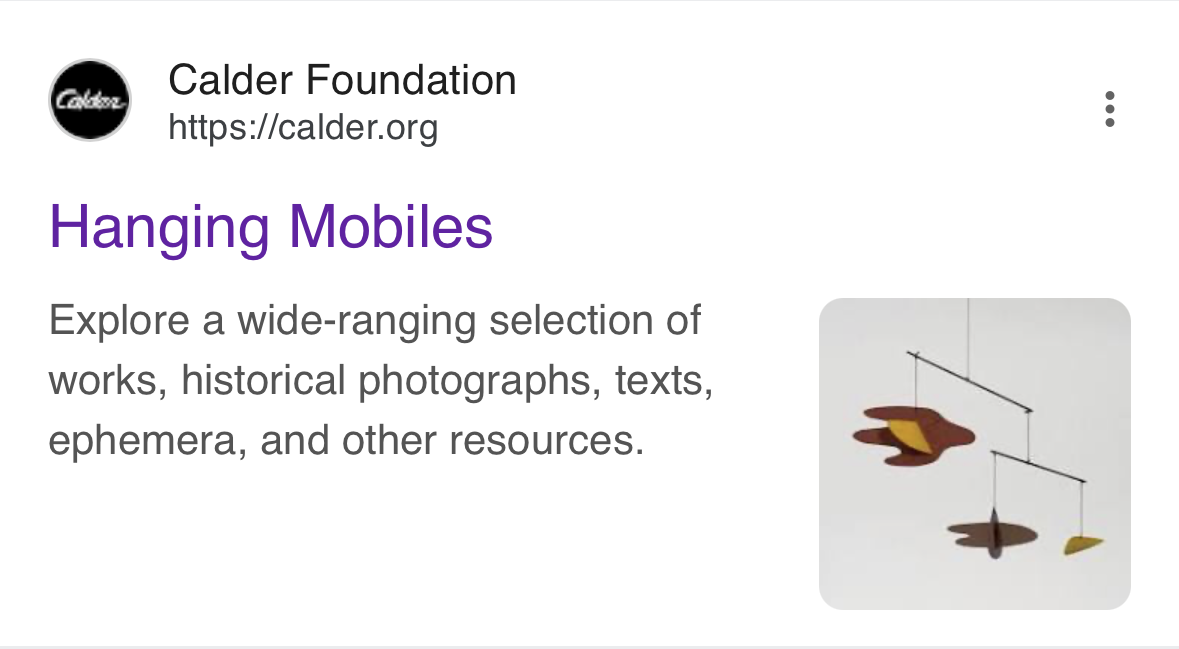
Everything I’ve said about initial questions applies also to the questions you encounter in writing the essay. They’re the same thing; every subtree of an essay is usually a shorter essay, just as every subtree of a Calder mobile is a smaller mobile. So any technique that gets you good initial questions also gets you good whole essays.
我说的关于初始问题的东西,对于你写文章时遇到的问题也同样适用。它们是同样的东西;一篇文章中的「子树」往往也是一篇稍短的文章,就像一个Calder动态艺术装置的每一个「子树」都是另一个同样的装置。所以说任何人能帮你得到好的起始问题的技巧也能助你写出一篇完整的好文章。
At some point the cycle of question and response reaches what feels like a natural end. Which is a little suspicious; shouldn’t every answer suggest more questions? I think what happens is that you start to feel sated. Once you’ve covered enough interesting ground, you start to lose your appetite for new questions. Which is just as well, because the reader is probably feeling sated too. And it’s not lazy to stop asking questions, because you could instead be asking the initial question of a new essay.
在某个时刻,问与答的循环会来到一个仿佛天然的终点。这其实有点可疑;每一个回答难道不是都会提出更多的问题吗?那到底是怎么回事呢,我觉得实际上是你开始觉得「饱了」。一旦你踏足了足够多有趣的领地,你就开始对新问题失去胃口了。这未尝不可,因为读者很可能也觉得「饱了」。停止问问题也并不是偷懒,因为你完全可以在问一篇新文章的初始问题了。
That’s the ultimate source of drag on the connectedness of ideas: the discoveries you make along the way. If you discover enough starting from question A, you’ll never make it to question B. Though if you keep writing essays you’ll gradually fix this problem by burning off such discoveries. So bizarrely enough, writing lots of essays makes it as if the space of ideas were more highly connected.
这就是阻碍思想互联互通的终极阻力:你这一路做出的发现。如果你从A问题开始做出了足够多的发现,你可能永远也到不了B问题了。但假如你不停地写文章,你可能会逐渐修正这个问题,通过「穷尽」这类发现。所以说也够奇怪的,写很多文章会让想法空间好像连接得更紧密了。
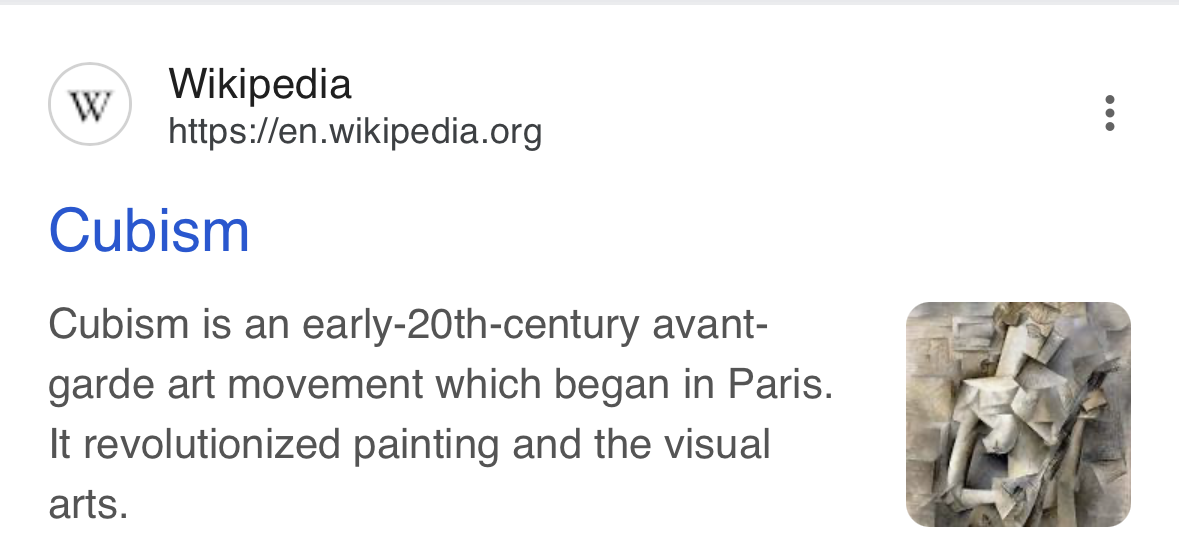
When a subtree comes to an end, you can do one of two things. You can either stop, or pull the Cubist trick of laying separate subtrees end to end by returning to a question you skipped earlier. Usually it requires some sleight of hand to make the essay flow continuously at this point, but not this time. This time I actually need an example of the phenomenon. For example, we discovered earlier that the best possible essay wouldn’t usually be timeless in the way the best painting would. This seems surprising enough to be worth investigating further.
当一棵「子树」走到终点的时候,你有两个选择。你要么停下,要么用一下Cubist技巧,回到先前跳过的某个问题,然后把不相干的子树们一个个摆出来、拼起来。通常在这个时候会需要一些「魔术手法」来让文章继续流动,但不是现在。这次我实际上需要为这种现象找一个例子。比如说,我们之前发现一篇可能是最好的文章,并不会像最好的绘画一样具有无关时代的「永恒性」。这看起来足够令人惊奇,值得深入探讨一下。
There are two senses in which an essay can be timeless: to be about a matter of permanent importance, and always to have the same effect on readers. With art these two senses blend together. Art that looked beautiful to the ancient Greeks still looks beautiful to us. But with essays the two senses diverge, because essays teach, and you can’t teach people something they already know. Natural selection is certainly a matter of permanent importance, but an essay explaining it couldn’t have the same effect on us that it would have had on Darwin’s contemporaries, precisely because his ideas were so successful that everyone already knows about them. [10]
一篇文章可以在两个意义上超越时代:要么讲述一种永恒重要的东西,要么永远可以对读者产生一样的效用。对艺术来说,这两种意义是融为一体的。在古希腊人眼里美丽的艺术,我们也依然觉得美丽。但对文章来说,这两种意义是分离的,因为文章「授业」,而你没办法教一个人他已经知道了的东西。自然选择当然是一种永恒重要的东西,但一篇解释它的文章对我们不会有同样的冲击力,相比于对达尔文时代的人造成的震撼来说,这正是因为他的思想是如此成功,已经成了每一个人的常识。 [10]
I imagined when I started writing this that the best possible essay would be timeless in the stricter, evergreen sense: that it would contain some deep, timeless wisdom that would appeal equally to Aristotle and Feynman. That doesn’t seem to be true. But if the best possible essay wouldn’t usually be timeless in this stricter sense, what would it take to write essays that were?
在我动笔之初,我曾设想,好到极致的文章应当是在更严格,甚至经久不衰的意义上超越时代:它应当包含一些深刻的、跨越时代的智慧,平等地吸引着亚里士多德和费曼。而那好像并不对。但是如果在这种更严格的意义上讲,好到极致的文章通常不是永恒的,那需要满足什么才能写出符合这样要求的文章呢?
The answer to that turns out to be very strange: to be the evergreen kind of timeless, an essay has to be ineffective, in the sense that its discoveries aren’t assimilated into our shared culture. Otherwise there will be nothing new in it for the second generation of readers. If you want to surprise readers not just now but in the future as well, you have to write essays that won’t stick — essays that, no matter how good they are, won’t become part of what people in the future learn before they read them. [11]
它的答案反而非常奇怪:要想做到经久不衰的那种超越时代,一篇文章不得不是低效的,也就是说它的发现没有被我们的主流文化所同化。否则,对下一代读者来说,它就完全没有新意了。如果你想让读者感到惊奇,不仅仅是现在的,还包括将来的,你不得不写些留不下来的文章——无论多好,这些文章都不会是将来的人可能学到的,在他们读之前。[11]
I can imagine several ways to do that. One would be to write about things people never learn. For example, it’s a long-established pattern for ambitious people to chase after various types of prizes, and only later, perhaps too late, to realize that some of them weren’t worth as much as they thought. If you write about that, you can be confident of a conveyor belt of future readers to be surprised by it.
我能想出好几种方法来做到这一点。其中一种就是写些人类永远不长记性的东西。比如说,野心勃勃的人总会陷入一个历史悠久的怪圈:疯狂追逐不同类型的奖赏,但只有随后,往往为时已晚,才意识到其中一些根本不像他们一开始想的那样值得。如果你写这个,你完全可以放心地预期,未来会有源源不断的读者,像传送带上的零件一样,排着队被你的观点惊艳。
Ditto if you write about the tendency of the inexperienced to overdo things — of young engineers to produce overcomplicated solutions, for example. There are some kinds of mistakes people never learn to avoid except by making them. Any of those should be a timeless topic.
同上,如果你写没经验的人倾向于把事情做过头——对年轻的工程师来说就是搞出过于复杂的解决方案,比如说。人们总有些错不犯一遍是学不会、记不住的。它们中的任何一类都可以是经久不衰的写作题材。
Sometimes when we’re slow to grasp things it’s not just because we’re obtuse or in denial but because we’ve been deliberately lied to. There are a lot of things adults lie to kids about, and when you reach adulthood, they don’t take you aside and hand you a list of them. They don’t remember which lies they told you, and most were implicit anyway. So contradicting such lies will be a source of surprises for as long as adults keep telling them.
有时候我们抓住要点很慢,这不光是因为我们愚钝或抗拒,而是因为我们被故意欺骗了。有很多东西是成年人故意向小孩子说谎的,但是当你终于成年了,他们并不会把你带到一边,然后递给你一个它们的清单。他们不记得向你说过什么瞎话了,而且大部分都是潜移默化的。所以,只要成年人还一直在讲这些谎话,拆穿它们就永远是惊喜的源泉。
Sometimes it’s systems that lie to you. For example, the educational systems in most countries train you to win by hacking the test. But that’s not how you win at the most important real-world tests, and after decades of training, this is hard for new arrivals in the real world to grasp. Helping them overcome such institutional lies will work as long as the institutions remain broken. [12]
有的时候是体制在骗你。比如说,大多数国家的教育系统都是用破解考试的方式来训练你取胜。但是那并不能让你在真实世界里最重要的那些测验中获胜,而经过数十年的训练,对刚刚进入真实世界的人来说,这很难掌握。帮助他们克服这种机构性谎言可以是经久不衰的好主题,只要那些机构「机器」始终这样「坏」着。[12]
Another recipe for timelessness is to write about things readers already know, but in much more detail than can be transmitted culturally. “Everyone knows,” for example, that it can be rewarding to have kids. But till you have them you don’t know precisely what forms that takes, and even then much of what you know you may never have put into words.
另一个关于超越时代的写作秘笈则是去写读者已经知道的东西,但在细节上要多写很多,比文化浸染能传达的多得多得多。「谁都知道」,比如说,生养小孩可以很有成就感。但是除非你有了自己的小孩,不然你不会知道那到底是以什么样的形式,就算你体会到了,也有很多很多你可能从来不会用语言文字描述的部分。
I’ve written about all these kinds of topics. But I didn’t do it in a deliberate attempt to write essays that were timeless in the stricter sense. And indeed, the fact that this depends on one’s ideas not sticking suggests that it’s not worth making a deliberate attempt to. You should write about topics of timeless importance, yes, but if you do such a good job that your conclusions stick and future generations find your essay obvious instead of novel, so much the better. You’ve crossed into Darwin territory.
这些种类的主题我全都写过。但是我当时并不是有意尝试去写能在严格意义上超越时代的文章。诚然,这一事实表明那并不值得刻意尝试:写出这类文章依赖于作者的思想「留不下来」。你应当写无关时代的重要课题,是的,但是如果你做得很好,那么你的结论就会流传下来,未来的人就会觉得你的文章是显然的,而没有新意——那反而再好不过。你已经进入了达尔文的境界。
Writing about topics of timeless importance is an instance of something even more general, though: breadth of applicability. And there are more kinds of breadth than chronological — applying to lots of different fields, for example. So breadth is the ultimate aim.
同时写无关时代的重要话题,其实是某种更普遍性质的一个特例:即普适性。除了跨越时间的维度,「广度」还有其它表现形式——例如,能跨越并应用于许多不同的领域。所以这种写作的广度才是终极目标。
I already aim for it. Breadth and novelty are the two things I’m always chasing. But I’m glad I understand where timelessness fits.
我已经在以此为目标了。广度和新意是我一直追求的两件事。但是我很欣慰我理解了无关时代的永恒性如何适配进来。
I understand better where a lot of things fit now. This essay has been a kind of tour of essay writing. I started out hoping to get advice about topics; if you assume good writing, the only thing left to differentiate the best essay is its topic. And I did get advice about topics: discover natural selection. Yeah, that would be nice. But when you step back and ask what’s the best you can do short of making some great discovery like that, the answer turns out to be about procedure. Ultimately the quality of an essay is a function of the ideas discovered in it, and the way you get them is by casting a wide net for questions and then being very exacting with the answers.
现在关于很多东西如何适配进来,我了解得更深入了。这篇文章已经成了一种写作的探索之旅。我刚开始的时候希望能在选题方面得到一些建议;假如认为大家的文笔都不错,那它的主题就是让它和最好的文章区分开的唯一要素。然后我也确实得到了关于选题的建议:发现「自然选择」。Yeah,那的确不错。但是当你后退一步然后发问,在你没有做出类似的伟大发现的时候,你能做些什么,答案浮现出来竟然是关于过程。最终一篇文章的质量是一个函数,自变量是它所包含的被探索了的想法。想获得这些好想法的方式就是为各种问题编织一张宽广的网,然后严谨地推敲它们的答案。
The most striking feature of this map of essay writing are the alternating stripes of inspiration and effort required. The questions depend on inspiration, but the answers can be got by sheer persistence. You don’t have to get an answer right the first time, but there’s no excuse for not getting it right eventually, because you can keep rewriting till you do. And this is not just a theoretical possibility. It’s a pretty accurate description of the way I work. I’m rewriting as we speak.
这份写作地图最有冲击力的地方就在于灵感和汗水交织成的条纹。问题取决于灵感,但是答案却要通过单纯的坚持来取得。你不会一次就得到正确答案,但是也没有理由最终得不到它,因为你可以一直不停地重写,直到得到它。而且这不仅仅只有理论上的可能性。他是对我的工作方式的相当精确的描述。就在现在我们交谈的时候,我正在重写。
But although I wish I could say that writing great essays depends mostly on effort, in the limit case it’s inspiration that makes the difference. In the limit case, the questions are the harder thing to get. That pool has no bottom.
但是,尽管我希望我可以说写出佳作主要靠努力,实际上在极限场景中,起决定作用的是灵感。在极限场景中,好问题是更难得到的东西。那个关于问题的池子深不见底。
How to get more questions? That is the most important question of all.
怎么获得更多问题呢?这是所有问题中最重要的那个问题。
—
Notes
注
[1] There might be some resistance to this conclusion on the grounds that some of these discoveries could only be understood by a small number of readers. But you get into all sorts of difficulties if you want to disqualify essays on this account. How do you decide where the cutoff should be? If a virus kills off everyone except a handful of people sequestered at Los Alamos, could an essay that had been disqualified now be eligible? Etc.
[1] 可能有人反对这个结论,因为这种(科学或技术的)发现只能被少数读者理解。但若要从这个角度来排除些文章,你总会遇到形形色色的困难。你怎么设定那个边界呢?假如某种病毒几乎灭绝了人类,只剩下躲在 Los Alamos 的零星几个幸存者,之前被排除的文章现在可以重新入选了吗?之类的。
Darwin’s 1844 essay was derived from an earlier version written in 1839. Extracts from it were published in 1858.
达尔文1844年的文章是从更早一个在1839年的版本修改来的。这篇文章的文摘则在1858年发表。
[2] When you find yourself very curious about an apparently minor question, that’s an exciting sign. Evolution has designed you to pay attention to things that matter. So when you’re very curious about something random, that could mean you’ve unconsciously noticed it’s less random than it seems.
[2] 当你发现自己对某个表面上微不足道的问题充满好奇的时候,这就是一个激动人心的标志。演化决定了你会注意到真正重要的事。所以当你对某件无所谓的事产生好奇的时候,那可能意味着你无意间注意到了那件事并不像它看起来那样那么偶然。
[3] Corollary: If you’re not intellectually honest, your writing won’t just be biased, but also boring, because you’ll miss all the ideas you’d have discovered if you pushed for the truth.
[3] 推论:当你在智识上自欺欺人时,你写出的东西不仅仅是偏颇的,而且是乏味的,因为你错失了那些本可以通过追索真相而获得的洞见。
[4] Sometimes this process begins before you start writing. Sometimes you’ve already figured out the first few things you want to say. Schoolchildren are often taught they should decide everything they want to say, and write this down as an outline before they start writing the essay itself. Maybe that’s a good way to get them started — or not, I don’t know — but it’s antithetical to the spirit of essay writing. The more detailed your outline, the less your ideas can benefit from the sort of discovery that essays are for.
[4] 有时这个过程在你开始写之前就启动了。有时你已经琢磨出了你想说的最开始的几点。在校生经常被教导他们应当先决定他们要讲的每一样东西,再将其写下来作为大纲,最后再开始写他们的文章本身。也许这是让他们入门的一个好办法——也可能不是,我不知道——但这与写作的精神背道而驰。你的大纲越详细,你的思想就越不可能从写作所代表的发现之旅中获益。
[5] The problem with this type of “greedy” algorithm is that you can end up on a local maximum. If the most valuable question is preceded by a boring one, you’ll overlook it. But I can’t imagine a better strategy. There’s no lookahead except by writing. So use a greedy algorithm and a lot of time.
[5] 这一类的「贪心」算法有个问题,你会停在一个局部极值点。如果一个有价值的问题被一个无聊的问题挡在前面,你就会错过它。但是我想象不出来一个更好的策略。没有「预判」,只能写下来。所以就用贪心算法吧,还有大量的时间。
[6] I ended up reattaching the first 5 of the 17 paragraphs, and discarding the rest.
[6] 我最后重新接回去了17个自然段中的前5个,然后丢弃了剩下的那些。
[7] Stephen Fry confessed to making use of this phenomenon when taking exams at Oxford. He had in his head a standard essay about some general literary topic, and he would find a way to turn the exam question toward it and then just reproduce it again.
[7] Stephen Fry 承认了在牛津考试的时候利用了这个套路。他的脑子里有一篇关于某种宏大的文学主题的标准范文,然后他总会想办法把考试题生拉硬拽到这个话题,然后复刻一遍。
Strictly speaking it’s the graph of ideas that would be highly connected, not the space, but that usage would confuse people who don’t know graph theory, whereas people who do know it will get what I mean if I say “space”.
严格来讲,是思想的「图」高度连通,不是那个空间。但是这种用法会令那些没了解过图论的人感到费解,而懂行的人只要我提到「空间」,自然能领会我的意思。
[8] Too far doesn’t depend just on the distance from the original topic. It’s more like that distance divided by the value of whatever I’ve discovered in the subtree.
[8] 「过远」不仅仅取决于离开一开始的主题的距离。它更像是那段距离除以我在这棵子树上发掘出的价值。
[9] Or can you? I should try writing about this. Even if the chance of succeeding is small, the expected value is huge.
[9] 或者说,其实可以?我应该尝试写写这个。哪怕成功的「概率」很小,「期望」却是巨大的。
[10] There was a vogue magazine in the 20th century for saying that the purpose of art was also to teach. Some artists tried to justify their work by explaining that their goal was not to produce something good, but to challenge our preconceptions about art. And to be fair, art can teach somewhat. The ancient Greeks’ naturalistic sculptures represented a new idea, and must have been extra exciting to contemporaries on that account. But they still look good to us.
[10] 二十世纪有一个《时尚》杂志说艺术的目的也是「教(jiāo)授」。一些艺术家尝试为他们的作品辩解,解释说他们的目的并不是创作「美」,而是挑战我们对艺术的固有认知。平心而论,艺术确实能教人点东西。古希腊人的自然主义雕塑代表着一种新思想,对他们同时代的人来说,在这个意义上也一定带有某种额外的、令人心潮澎湃的震撼。但是对我们来说,那些雕塑看起来也依然美丽。
[11] Bertrand Russell caused huge controversy in the early 20th century with his ideas about “trial marriage.” But they make boring reading now, because they prevailed. “Trial marriage” is what we call “dating.”
[11] Bertrand Russell 关于“试婚”的想法在20世纪初引起了巨大的争议。但是它们现在读起来很无聊,因为这早就流行了。“试婚”我们现在叫“约会”。
[12] If you’d asked me 10 years ago, I’d have predicted that schools would continue to teach hacking the test for centuries. But now it seems plausible that students will soon be taught individually by AIs, and that exams will be replaced by ongoing, invisible micro-assessments.
[12] 如果你10年前问我,我大概会预言学校依然会继续教授几个世纪的应试技巧。但是现在看起来很有可能学生能享受到 AI 的「因材施教」,而考试将会被持续的、无感的微测验取代。
Thanks to Sam Altman, Trevor Blackwell, Jessica Livingston, Robert Morris, Courtenay Pipkin, and Harj Taggar for reading drafts of this.
感谢 Sam Altman, Trevor Blackwell, Jessica Livingston, Robert Morris, Courtenay Pipkin, 和 Harj Taggar 阅读了这篇文章的草稿。